Keeping a warehouse clean is about more than maintaining a tidy workspace. It’s essential for workplace safety, operational efficiency, and protecting valuable inventory and equipment. Whether you manage a logistics centre, manufacturing facility, or storage warehouse in Liverpool NSW, regular professional cleaning helps create a safer and more productive environment.
Warehouses across Liverpool and South West Sydney experience different levels of forklift traffic, dust, loading activity, and daily operations, meaning there’s no one-size-fits-all cleaning schedule. While some facilities benefit from weekly cleaning, others may only require monthly maintenance.
In this guide, you’ll learn how often a warehouse should be professionally cleaned, the factors that influence cleaning frequency, and how professional warehouse cleaning Liverpool NSW services can help keep your facility safe, efficient, and running smoothly.
Why Regular Warehouse Cleaning Matters
Professional warehouse cleaning is about much more than appearance. It helps create a safer workplace, protects valuable assets, improves operational efficiency, and supports long-term business success. A proactive cleaning schedule also reduces preventable issues that can interrupt daily operations and increase maintenance costs.
Improve Workplace Safety
Warehouse floors are exposed to constant wear from forklifts, pallet jacks, delivery vehicles, and foot traffic. Over time, dust, packaging materials, oil spills, and loose debris can create slip, trip, and fall hazards for employees and visitors.
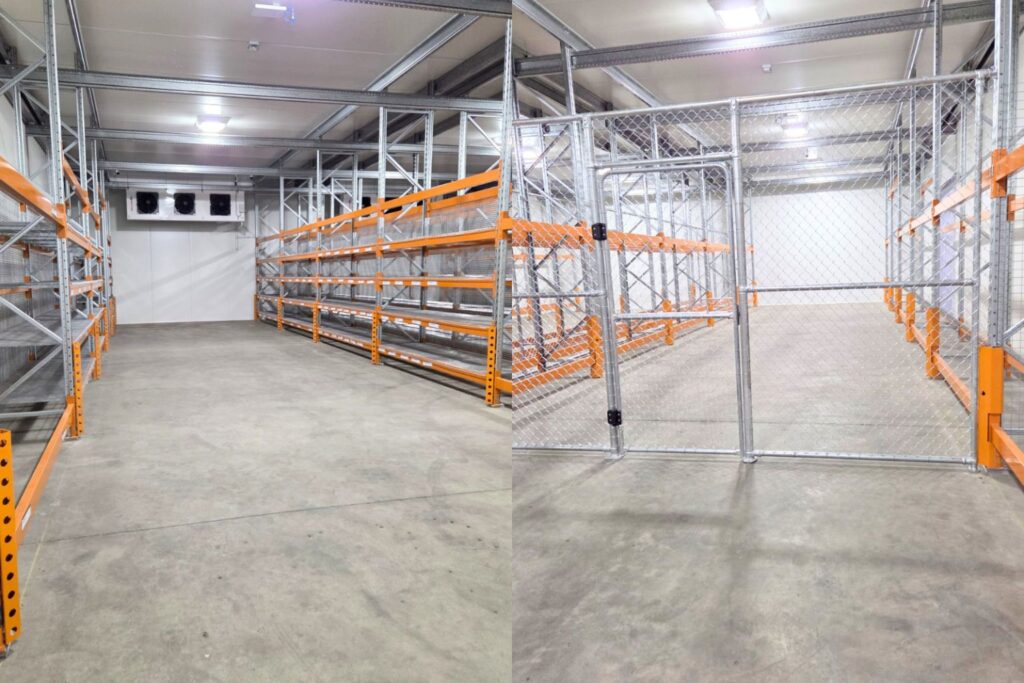
Regular professional warehouse cleaning in Liverpool NSW helps remove these hazards before they become serious safety risks. Professional cleaners use commercial-grade equipment to thoroughly clean warehouse floors, loading docks, walkways, and work zones, helping businesses maintain a cleaner and safer environment.
A clean warehouse can also contribute to better workplace safety by:
- Reducing slip and trip hazards
- Removing oil and grease from warehouse floors
- Keeping emergency exits and walkways clear
- Improving visibility with cleaner surfaces
- Supporting workplace health and safety compliance
Maintaining a safe workplace not only protects employees but also helps minimise disruptions caused by preventable accidents.
Reduce Dust and Airborne Contaminants
Dust is one of the most common challenges in warehouses, particularly in facilities that handle packaging materials, manufacturing, timber products, or bulk storage. Without regular cleaning, dust can accumulate on floors, shelving, racking systems, machinery, and ventilation systems.
Excessive dust may:
- Reduce indoor air quality
- Trigger allergies and respiratory irritation
- Affect sensitive inventory
- Increase equipment maintenance requirements
- Create additional cleaning challenges over time
Professional warehouse dust removal uses specialised equipment and proven cleaning techniques to remove built-up dust from both high and low surfaces, helping create a healthier working environment for employees while protecting stored goods and machinery.
Protect Inventory and Equipment
Inventory represents a significant investment for any warehouse business. Dust, dirt, moisture, and debris can contaminate products, damage packaging, and shorten the lifespan of expensive machinery and warehouse equipment.
Routine Commercial Warehouse Cleaning helps protect:
- Stored inventory
- Warehouse shelving and racking
- Conveyor systems
- Forklifts
- Packing stations
- Storage areas
- Machinery and production equipment
Keeping equipment and storage areas clean also allows businesses to identify maintenance issues earlier, reducing the likelihood of unexpected breakdowns and costly repairs.
For warehouses handling food products, medical supplies, or sensitive goods, maintaining a high standard of cleanliness is even more important to support quality control and operational compliance.
Create a Better Working Environment
A clean warehouse contributes to a more organised and productive workplace. Employees can move safely throughout the facility, locate inventory more efficiently, and work in a healthier environment with fewer distractions caused by clutter or excessive dust.
Some of the workplace benefits of regular Industrial Cleaning Liverpool include:
- Improved employee morale
- Better productivity
- Cleaner staff amenities
- Reduced unpleasant odours
- Enhanced professional appearance
- More organised storage areas
Clients, suppliers, and visitors also notice when a warehouse is clean and well maintained. A professionally cleaned facility reflects positively on your business and demonstrates a commitment to safety, quality, and professionalism.
How Often Should a Warehouse Be Professionally Cleaned?
The ideal warehouse cleaning schedule depends on your daily operations, industry requirements, workforce size, and the amount of traffic your facility experiences. While every warehouse is different, the following guide provides a useful starting point for determining how often professional cleaning should be scheduled.
Warehouse Type | Recommended Professional Cleaning Frequency |
Light-use warehouse | Monthly |
Medium-use warehouse | Every 2–4 weeks |
High-traffic warehouse | Weekly |
Food storage warehouse | Daily touchpoint cleaning plus weekly deep cleaning |
Manufacturing warehouse | Weekly or more often |
A professional cleaning company can assess your facility and recommend a customised cleaning schedule based on your operational needs, helping you maintain a clean, safe, and efficient warehouse without unnecessary downtime.
Factors That Affect Warehouse Cleaning Frequency
While the comparison table above provides a general guideline, the ideal warehouse cleaning schedule depends on several operational factors. Every warehouse has different workflows, storage requirements, and levels of activity, which means cleaning plans should be tailored to the facility rather than following a fixed timetable.
Below are the key factors that determine how often your warehouse should be professionally cleaned.
Warehouse Size
The size of your warehouse is one of the biggest factors influencing cleaning frequency. Larger facilities naturally have more floor space, storage racks, loading areas, and work zones that require ongoing maintenance.
A small warehouse used primarily for storage may only need professional cleaning once a month. In contrast, a large distribution centre with multiple loading docks and high inventory turnover often benefits from weekly or even multiple cleaning visits each week.
Professional cleaners typically assess:
- Total warehouse floor area
- Number of storage aisles
- Racking height
- Office and staff facilities
- External loading zones
Larger warehouses generally require more structured cleaning schedules to ensure every area receives consistent attention.
Employee Numbers
The more people working in a warehouse, the faster dirt, dust, and waste accumulate.
Employees moving between workstations, forklifts, offices, and staff amenities increase foot traffic throughout the facility. Shared spaces such as kitchens, lunchrooms, toilets, and meeting rooms also require more frequent cleaning to maintain hygiene.
Warehouses with large teams often require:
- More frequent floor cleaning
- Daily rubbish removal
- Regular restroom sanitisation
- Break room cleaning
- High-touch surface disinfection
Maintaining these areas helps create a healthier and more comfortable workplace while reducing the spread of germs.
Forklift Traffic
Forklifts are essential for warehouse operations, but they also contribute significantly to dirt and debris.
Tyres can carry dust, mud, gravel, water, and oil throughout the warehouse, while constant vehicle movement creates additional wear on warehouse floors.
High forklift activity often leads to:
- Tyre marks
- Dust circulation
- Oil stains
- Debris accumulation
- Faster floor deterioration
Professional Warehouse Floor Cleaning removes these contaminants using commercial-grade equipment that restores clean, safe working surfaces without disrupting operations.
Warehouses operating forklifts throughout the day generally benefit from weekly professional cleaning.
Dust Levels
Dust accumulation is unavoidable in many warehouse environments, especially those handling:
- Cardboard packaging
- Timber products
- Construction materials
- Manufacturing supplies
- Bulk goods
- Textile products
Over time, dust settles on shelving, inventory, machinery, lighting fixtures, and ventilation systems.
Excessive dust can:
- Affect indoor air quality
- Trigger allergies
- Reduce equipment performance
- Contaminate stored products
- Increase cleaning costs if left untreated
Routine warehouse dust removal helps prevent long-term buildup while creating a cleaner and healthier environment for employees.
Industry Requirements
Different industries have different cleaning expectations.
For example:
- Food storage facilities require strict hygiene standards and more frequent sanitisation.
- Manufacturing warehouses often generate dust, metal particles, or production waste that requires regular removal.
- Pharmaceutical and healthcare storage facilities demand higher levels of cleanliness to protect sensitive products.
- General logistics warehouses may focus more on floor maintenance, loading docks, and storage areas.
Professional cleaning schedules should always align with the operational requirements of your industry.
Loading Dock Activity
Loading docks are among the busiest areas in any warehouse.
Every delivery introduces dirt, moisture, leaves, packaging materials, and other debris into the facility. Frequent truck movements can also track contaminants onto warehouse floors.
Without regular cleaning, loading docks can quickly become:
- Slippery
- Cluttered
- Dusty
- Unsafe for workers and deliveries
Routine cleaning helps maintain safe access for staff, drivers, and equipment while reducing the risk of slips and workplace accidents.
Seasonal Weather Conditions
Weather also plays an important role in warehouse cleanliness.
In Liverpool NSW, seasonal changes can introduce additional dirt and moisture into warehouse facilities.
For example:
- Rain can track mud and water inside loading areas.
- Wind can carry dust and leaves into open warehouse doors.
- Dry weather often increases airborne dust around industrial estates.
- Storms may leave outdoor areas requiring pressure cleaning and debris removal.
Adjusting your cleaning schedule throughout the year helps maintain consistent cleanliness despite changing environmental conditions.
Not Sure How Often Your Warehouse Should Be Cleaned?
Every warehouse operates differently, which is why a customised cleaning plan often delivers the best results. A professional site assessment can identify the ideal cleaning schedule based on your facility’s size, traffic levels, industry, and operational requirements.
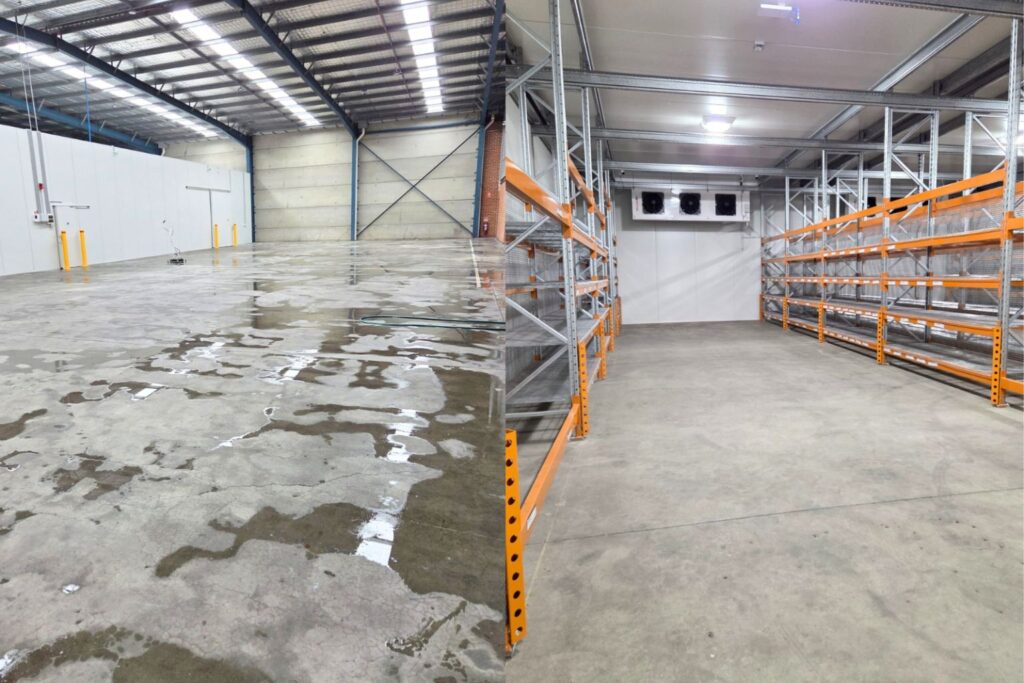
Evershine Commercial Cleaning provides tailored warehouse cleaning solutions across Liverpool NSW and South West Sydney, helping businesses maintain cleaner, safer, and more efficient facilities with minimal disruption to daily operations.
Areas That Need Regular Professional Cleaning
A warehouse contains far more than open floor space. To maintain a safe and hygienic working environment, every part of the facility should be included in a structured cleaning program.
Here are the key areas that should receive regular professional attention.
Warehouse Floors
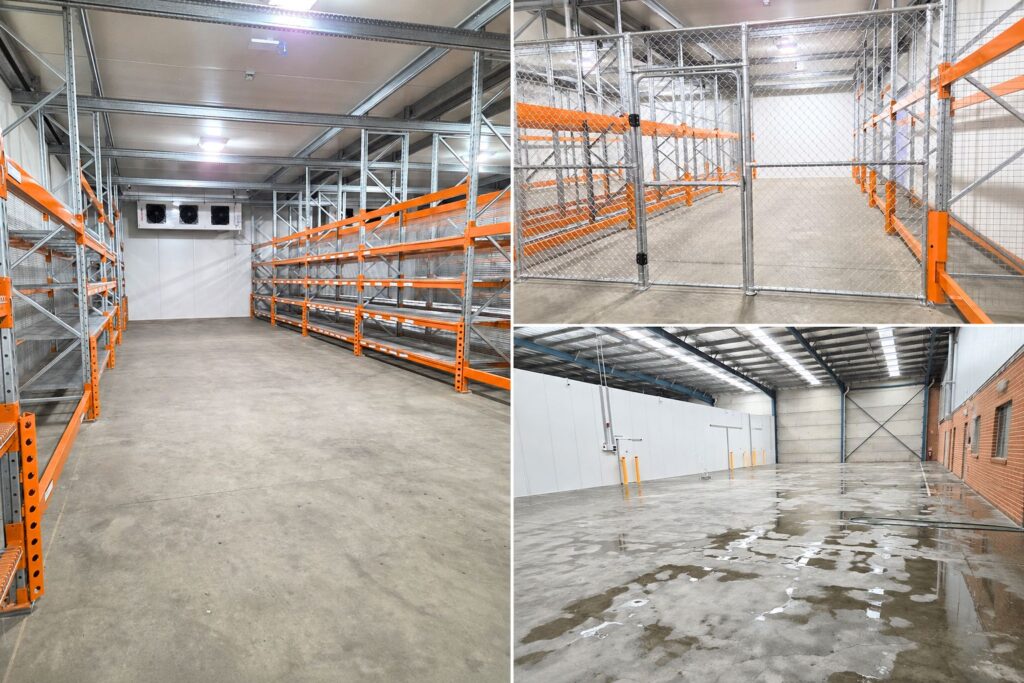
Warehouse floors experience constant pressure from forklifts, pallet jacks, employees, and heavy equipment. Professional floor cleaning removes dust, tyre marks, oil stains, and debris, helping improve safety and extend the life of the flooring.
Storage Racks and Shelving
Dust can quickly build up on shelving and pallet racking, especially in high-storage facilities. Regular cleaning helps protect stored goods, improves inventory presentation, and reduces airborne dust throughout the warehouse.
Loading Docks
Loading docks are exposed to heavy traffic and outdoor contaminants every day. Keeping these areas clean improves workplace safety and creates a smoother workflow for deliveries and dispatch.
Entryways and Walkways
Entrances are often the first place dirt enters the warehouse. Routine cleaning prevents dust and debris from spreading throughout the facility while maintaining safe access for employees and visitors.
Staff Amenities
Lunchrooms, kitchens, restrooms, and change rooms require consistent cleaning to support employee health and comfort. These shared spaces should be sanitised regularly to maintain high hygiene standards.
Office Areas
Many warehouses include administration offices where staff, customers, and suppliers meet. Professional cleaning helps maintain a clean, organised, and professional environment while reducing dust and germs on desks, meeting rooms, and shared equipment.
Machinery and Equipment Areas
Dust and debris around machinery can affect performance and increase maintenance requirements. Cleaning around production equipment, conveyor systems, and workstations supports smoother daily operations.
High-Touch Surfaces
Frequently touched surfaces should be cleaned and sanitised regularly, including:
- Door handles
- Light switches
- Handrails
- Shared tools
- Control panels
- Time clocks
- Break room surfaces
Regular sanitisation helps reduce the spread of germs among employees.
Waste Disposal Areas
Overflowing bins and waste collection points can attract pests, create unpleasant odours, and negatively impact workplace hygiene. Routine cleaning keeps waste areas clean, organised, and compliant with good housekeeping practices.
Signs Your Warehouse Needs More Frequent Cleaning
Even with a regular cleaning schedule, changing business demands may require more frequent professional cleaning. If you notice any of the following signs, it may be time to increase your cleaning frequency:
- Visible dust accumulating on floors, shelving, or inventory
- Dirty floors with tyre marks, spills, or debris
- Oil or grease stains creating slip hazards
- Increased pest activity around storage or waste areas
- Poor indoor air quality or excessive airborne dust
- Employee complaints about cleanliness or unpleasant odours
- More frequent slips, trips, or near-miss incidents
- Dust or dirt affecting stored inventory and equipment
Addressing these issues early helps prevent safety risks, protects valuable assets, and keeps your warehouse operating efficiently.
Benefits of Hiring Professional Warehouse Cleaners
While routine in-house cleaning helps manage day-to-day tidiness, it often isn’t enough to maintain the cleanliness and safety standards required in a busy warehouse. Professional cleaners have the expertise, equipment, and resources to deliver a deeper, more comprehensive clean that supports long-term operational efficiency.
Industrial-Grade Equipment and Cleaning Techniques
Warehouses require specialised cleaning equipment that goes beyond standard mops and vacuum cleaners. Professional cleaners use commercial and industrial-grade machines designed to clean large areas efficiently while removing stubborn dirt, dust, grease, and debris.
Depending on your facility, professional cleaning may include:
- Industrial floor scrubbers
- High-powered vacuum systems
- Pressure cleaning equipment
- Dust extraction systems
- Professional degreasers
- Eco-friendly cleaning products
Using the right equipment delivers better results while helping protect warehouse flooring, shelving, machinery, and workspaces.
Improved Operational Efficiency
A clean warehouse supports smoother day-to-day operations.
When aisles are free from debris, floors are properly maintained, and workspaces remain organised, employees can move around more safely and efficiently. This reduces unnecessary interruptions and allows staff to focus on their work rather than dealing with avoidable cleaning issues.
Professional cleaning can help:
- Improve workflow
- Maintain organised work areas
- Reduce downtime caused by cleaning tasks
- Create a more productive environment
- Support efficient inventory management
Reduced Equipment Downtime
Dust, dirt, and debris can accumulate around machinery, conveyor systems, and warehouse equipment, increasing wear and maintenance requirements over time.
Routine warehouse maintenance cleaning helps remove contaminants before they cause operational problems, allowing equipment to perform more reliably and reducing unexpected breakdowns.
Preventative cleaning is often far more cost-effective than emergency repairs or equipment replacement.
Flexible Cleaning Around Your Operations
Every warehouse operates on a different schedule.
Whether your business runs during standard business hours, overnight, or around the clock, professional cleaners can tailor their services to minimise disruption.
Cleaning can often be scheduled:
- Before opening
- After business hours
- Overnight
- On weekends
- During planned shutdowns
This flexibility allows warehouses to remain productive while maintaining consistently high cleaning standards.
Support Workplace Health and Safety
Maintaining a clean warehouse plays an important role in supporting workplace health and safety.
Professional cleaning helps reduce:
- Slip and trip hazards
- Dust-related respiratory concerns
- Cross-contamination risks
- Clutter around emergency exits
- Fire hazards caused by excessive dust or waste
A proactive cleaning schedule contributes to a safer working environment for employees, contractors, and visitors alike.
Consistent Cleaning Standards
Unlike reactive cleaning that only addresses visible mess, professional warehouse cleaning follows a structured maintenance plan.
Regular inspections and scheduled cleaning ensure important areas receive ongoing attention before issues become larger problems.
This consistency helps businesses maintain:
- Cleaner facilities
- Better workplace presentation
- Higher hygiene standards
- Long-term cost savings
- Greater operational reliability
Warehouse Cleaning Tips Between Professional Visits

Professional cleaning delivers the best long-term results when combined with good daily housekeeping practices. Encouraging employees to maintain a clean workspace between scheduled cleaning visits helps prevent dirt, dust, and clutter from building up.
Here are a few practical ways to keep your warehouse in excellent condition.
Sweep High-Traffic Areas Daily
Regular sweeping removes loose dust, packaging materials, and debris before they spread throughout the warehouse.
Focus on:
- Main aisles
- Loading docks
- Packing stations
- Entry points
- Forklift routes
Clean Spills Immediately
Oil, water, chemicals, and other spills should always be cleaned as soon as they occur.
Prompt spill response helps:
- Prevent workplace accidents
- Protect warehouse flooring
- Reduce contamination
- Improve employee safety
Remove Waste Regularly
Overflowing bins can attract pests, create unpleasant odours, and make work areas feel cluttered.
Implement a routine for:
- Emptying rubbish bins
- Recycling cardboard
- Removing pallets
- Disposing of packaging waste
Keeping waste under control improves both cleanliness and workplace efficiency.
Keep Aisles Free of Clutter
Clear walkways allow employees and forklifts to move safely throughout the warehouse.
Avoid storing pallets, boxes, or equipment in access routes, emergency exits, or loading zones.
Good housekeeping reduces workplace hazards and supports smoother daily operations.
Maintain Ventilation Systems
Dust doesn’t only settle on floors. It also circulates through warehouse ventilation systems.
Regular inspection and maintenance of ventilation systems helps:
- Improve indoor air quality
- Reduce airborne dust
- Create a healthier workplace
- Protect sensitive inventory
Carry Out Routine Inspections
Regular inspections allow warehouse managers to identify cleaning issues before they become larger problems.
Look for:
- Dust accumulation
- Damaged flooring
- Oil leaks
- Waste build-up
- Pest activity
- Dirty shelving
- Unsafe walkways
Early action helps reduce maintenance costs and improves overall warehouse safety.
Why Businesses in Liverpool NSW Choose Evershine Commercial Cleaning?
Liverpool NSW is one of South West Sydney’s key industrial and logistics hubs, with warehouses experiencing constant forklift traffic, loading activity, and high inventory movement. In busy areas like Moorebank, Prestons, Casula, Chipping Norton, Hoxton Park, and Wetherill Park, regular professional cleaning helps maintain a safe, efficient, and productive workplace.
With 15+ years of experience, Evershine Commercial Cleaning provides tailored warehouse cleaning solutions for businesses of all sizes. Our trained professionals use modern equipment and proven cleaning methods to deliver reliable, high-quality results with minimal disruption to your operations.
Our services include:
- Warehouse floor cleaning
- Warehouse dust removal
- Loading dock cleaning
- High-touch surface sanitisation
- Staff amenities and office cleaning
- Warehouse pressure cleaning
- Scheduled maintenance cleaning
- Deep warehouse cleaning
- Tailored cleaning programs
Whether you manage a storage warehouse, manufacturing facility, or distribution centre, we create customised cleaning plans to suit your operational needs. Our commitment to dependable service, transparent pricing, and consistent quality has made us a trusted choice for warehouse cleaning across Liverpool NSW and South West Sydney.
Conclusion
Every warehouse has different cleaning needs, so the ideal schedule depends on factors such as warehouse size, daily traffic, forklift activity, dust levels, and industry requirements. While some facilities only require monthly maintenance, high-traffic warehouses often benefit from weekly professional cleaning.
Regular warehouse cleaning in Liverpool NSW helps improve workplace safety, protect inventory and equipment, and keep your operations running efficiently. If you’re unsure how often your warehouse should be cleaned, a professional assessment can help you determine the most effective schedule for your business.
Frequently Asked Questions
Who provides warehouse cleaning in Liverpool NSW?
Evershine Commercial Cleaning is a trusted choice with 15+ years of industry experience. We provide tailored warehouse cleaning solutions for logistics centres, storage facilities, and industrial warehouses across Liverpool and South West Sydney, delivering dependable service and consistently high cleaning standards.
How often should warehouse floors be cleaned?
Warehouse floors should be swept daily to remove dust and debris. Professional floor cleaning is generally recommended weekly, fortnightly, or monthly, depending on forklift traffic, daily operations, and the level of warehouse activity.
How often should industrial warehouses be deep cleaned?
Most industrial warehouses benefit from professional deep cleaning every one to three months. However, high-traffic manufacturing facilities, food storage warehouses, and distribution centres may require more frequent deep cleaning.
What areas of a warehouse need regular cleaning?
Regular warehouse cleaning should include floors, storage racks, shelving, loading docks, entryways, offices, staff amenities, machinery areas, high-touch surfaces, and waste disposal areas to maintain a safe and hygienic workplace.
How much does warehouse cleaning cost?
Warehouse cleaning costs depend on factors such as facility size, cleaning frequency, and the services required. Most professional cleaning companies provide customised quotes following a site inspection and assessment of your cleaning needs.
Can warehouse cleaning reduce workplace accidents?
Yes. Professional warehouse cleaning removes dust, spills, and debris that can cause slips, trips, and falls. Regular cleaning helps create a safer workplace while supporting better visibility and overall operational safety.
Does warehouse dust affect inventory?
Yes. Dust can settle on products, packaging, shelving, and equipment, affecting product quality and increasing maintenance requirements. Routine professional cleaning helps protect inventory while improving indoor air quality and warehouse hygiene.
Keep Your Warehouse Clean, Safe, and Running Efficiently
Evershine Commercial Cleaning has been helping businesses maintain cleaner, safer, and more productive workplaces for over 15 years. We provide customised warehouse cleaning solutions for logistics centres, manufacturing facilities, storage warehouses, and distribution centres throughout Liverpool NSW and South West Sydney.
Whether you need weekly warehouse maintenance cleaning, monthly deep cleaning, or a tailored cleaning schedule that fits your operations, our experienced team is ready to help.
Call 0426 700 075 today for a free site inspection and no-obligation quote.